
When Jason Farmer II was in elementary school, he watched the first films of the “Iron Man” and “Transformers” series. The movies electrified his imagination, providing him with a calling.
“I was just so excited to see them,” he said. “I didn’t understand what was happening, but all I knew was that I wanted to recreate that same magic.”
These days, his palette is a bit different, and he’s more likely to cite a film by Spike Lee than a flick with giant, clashing robots. Spike Lee is an alum of Morehouse College, where Farmer II is a rising junior studying filmmaking.
But while his taste in films has changed, his desire to make them hasn’t, and a childhood dream has helped spur on a sprawling, ambitious local project.
On June 10, the Memphis and Shelby County Office of Planning and Development Land Use Control Board unanimously approved BLP Film Studios’ plans for a massive studio in southern Whitehaven.
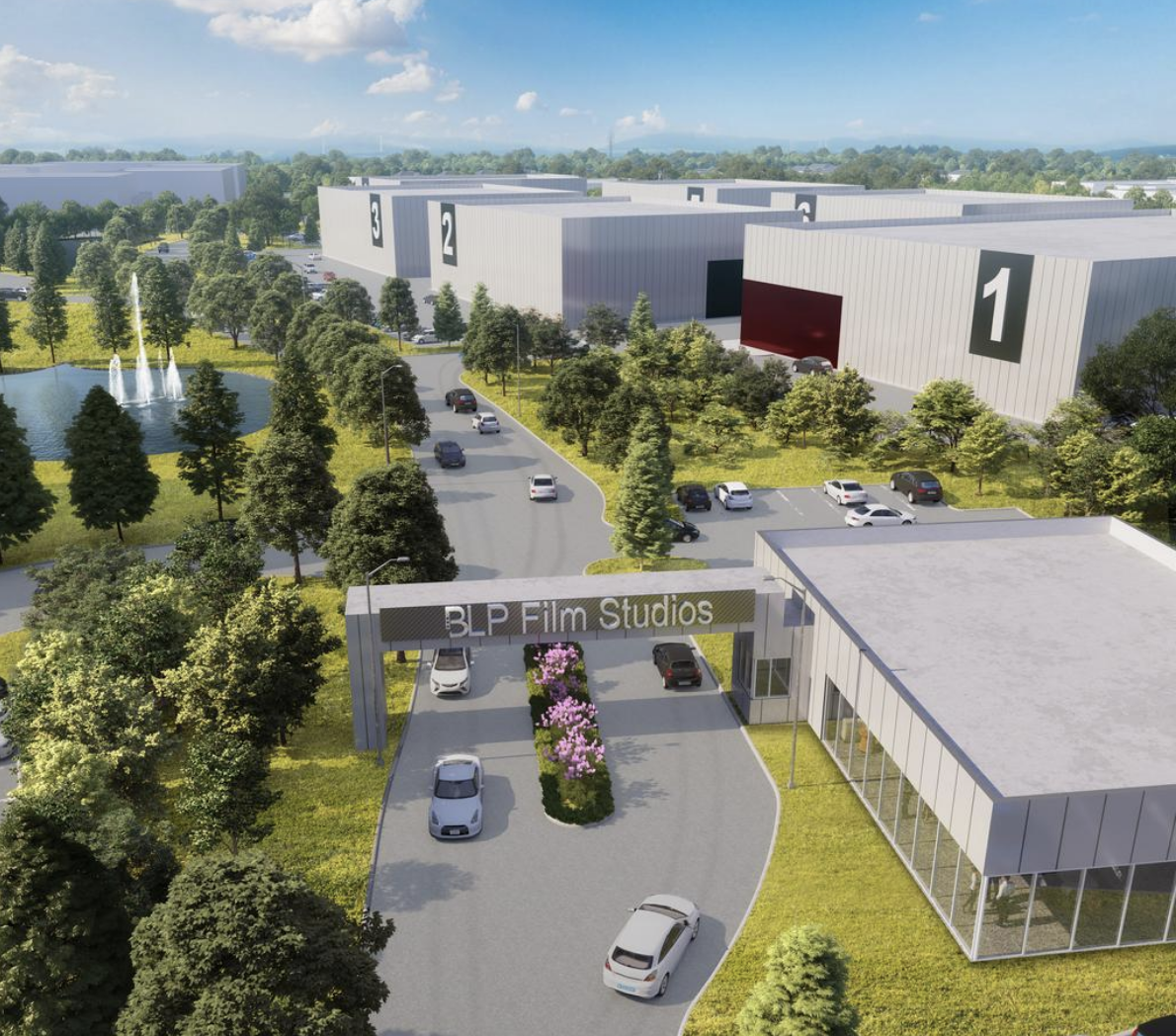
The development calls for 12 sound stages, a commissary, editing suites, a recording studio, an executive office building, a mill shop warehouse, a security building, a gift shop, private housing, a multipurpose event center, and a hotel. The plans include enough facilities and amenities to rival studios in Hollywood, Atlanta, and London, and make it the second largest Black-owned film studio in the U.S.
At the helm of the project is Jason Farmer — founder and CEO of BLP Film Studios and father of Farmer II — whose interest in film stemmed from his son’s fascination with the medium.
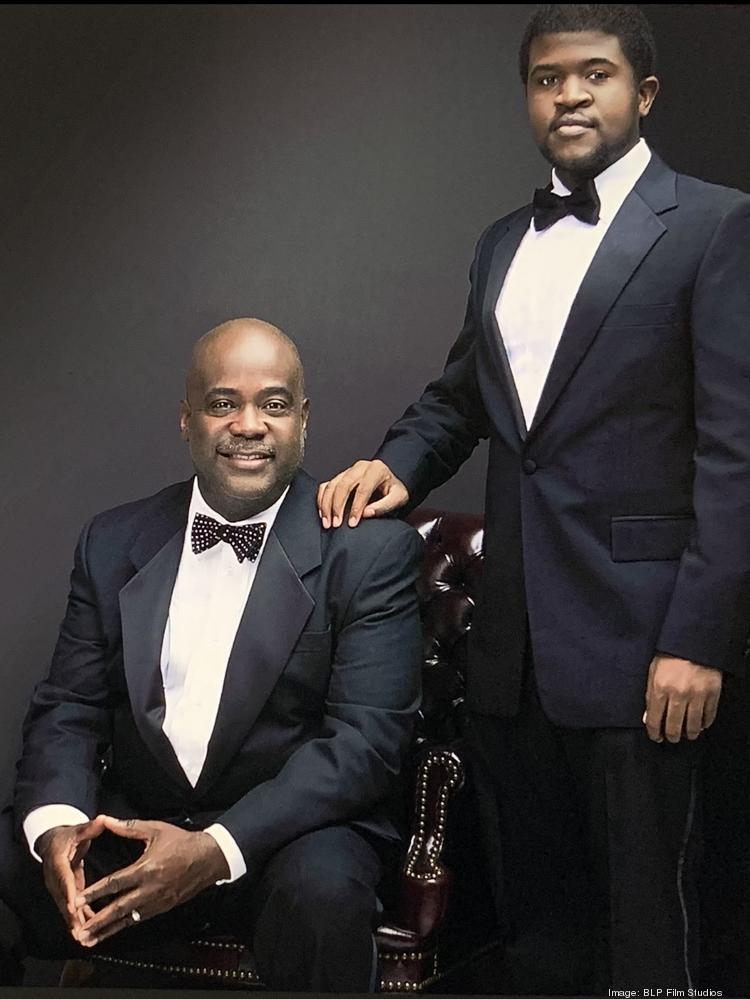
Jason Farmer (left) and his son Jason Farmer II (right)
So, Farmer, a U.S. Marine combat veteran and small business owner, threw himself into the industry. He spent three years on the board of Indie Memphis, and three years as an advisor for the International Black Film Festival in Nashville. He worked on set with independent film directors.
“I learned the practical side of what it takes to create a film,” he said. “To be an extra, to be a grip, to be an accounting guy, just trying to figure out what it takes.”
Now, he’s set his sights on the Whitehaven project, located on about 85 acres southwest of the Walmart at 5255 Elvis Presley Blvd. The hope is that the development addresses diversity and inclusion issues in the entertainment industry, as Farmer believes production, streaming, and television companies don’t create enough content targeting Black audiences.
And this, he said, leaves money on the table, an assertion that research appears to back up. According to a recent study from the management consulting firm McKinsey & Co., the film industry could score an additional $10 billion annually by addressing racial inequities.
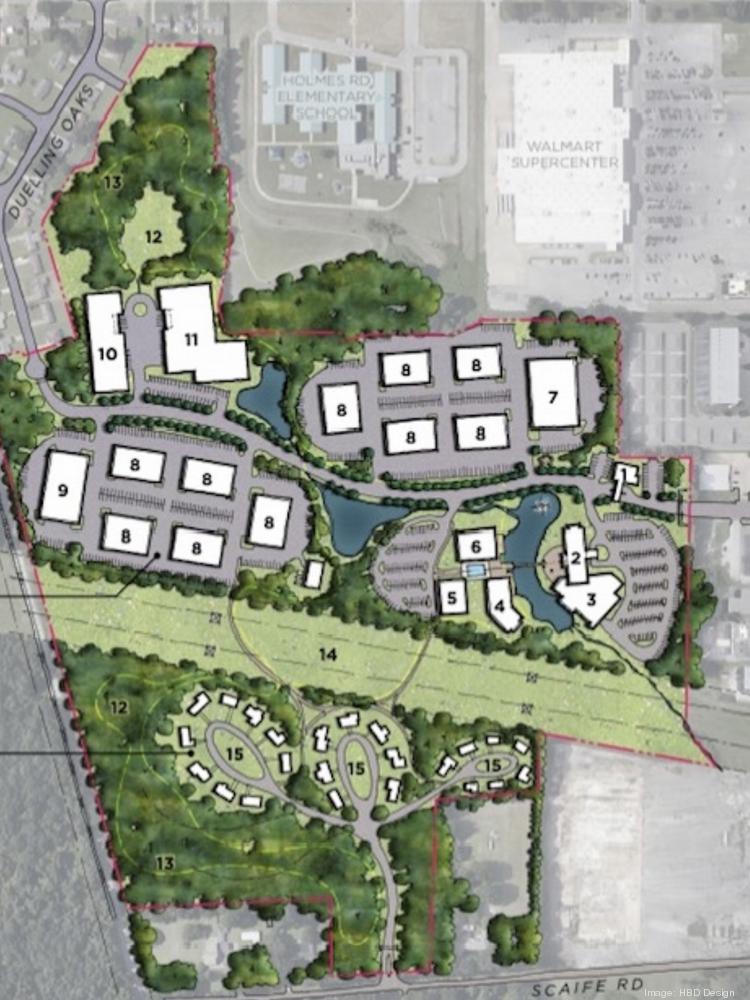 The studio’s plans call for 12 sound stages, a commissary, editing suites, a recording studio, an executive office building, a mill shop warehouse, a security building, a gift shop, private housing, a multipurpose event center, and a hotel.
This, in part, is why it’s gained the support of Memphis & Shelby County Film Commissioner Linn Sitler, who, over the years, has become keenly aware of the need for suitable sound stage spaces.
While she’s been adept at finding locations that work — productions have used everything from the Pyramid to the Convention Center to the MPD’s bomb unit building — finding a space for the NBC-TV series “Bluff City Law” was nearly impossible. Memphis almost lost out on the series — before finding a former skating rink on Summer Avenue.
“It would have been awful to lose the series because we couldn’t find a soundstage,” Sitler told MBJ.
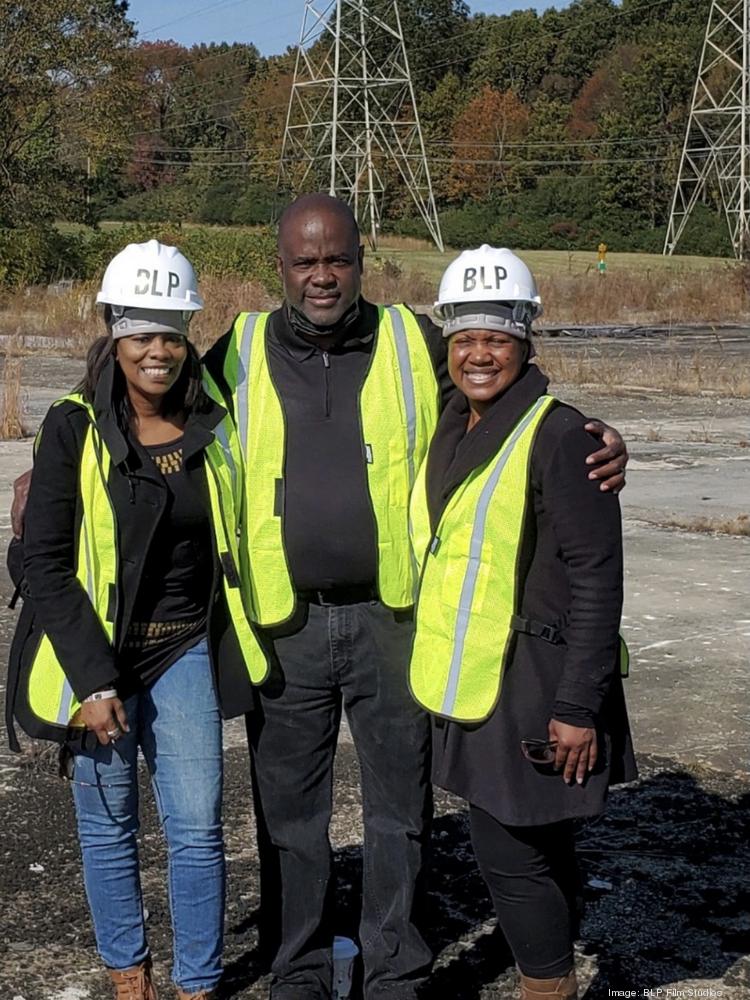
BLP Film Studios partner/CFO Carolyn Henry (left), founder/CEO Jason Farmer (middle), and general counsel Cecilia Barnes (right).
“The incentive has to go hand-in-hand with the soundstage space availability,” Sitler said.
Further bolstering Memphis’ chances to score major productions could be an educational offering Sitler and Farmer are working on with the film and stage crew union IATSE. They’re planning a two-year training program for potential film and TV crew members that could be held at Southwest Tennessee Community College (SWTCC).
This, however, like Farmer’s development, is in the preliminary stages.
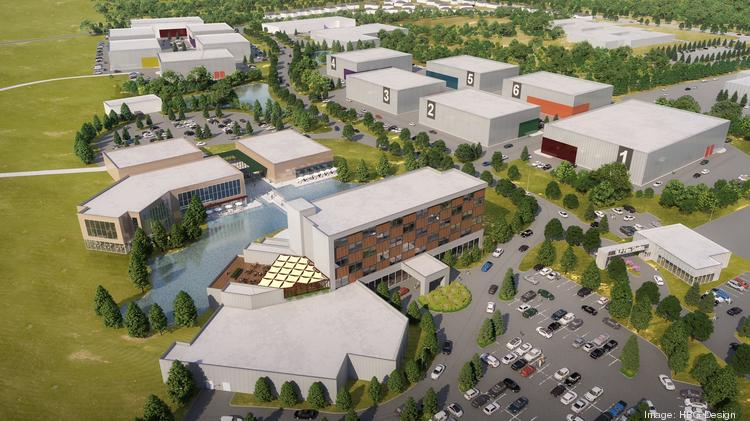
If completed, the project could rival film studios in Los Angeles, London, and Atlanta.
BLP Film Studios didn’t provide the estimated cost of the Whitehaven project, saying they’re still nailing it down with the project’s partners.
Despite the size and scope of the project, Farmer is confident they can pull it off. They’re receiving help from advisors with significant development experience, and if completed, he expects the campus to lure in a variety of productions — while his son, for his part, hopes to one day shoot his own films there.
“I don’t want to be one of those kids who just grows up and leaves Memphis,” he said. “Now that my dad is bringing BLP to Memphis, I want to be the one to change my landscape, along with him.”