
In the early days of the COVID-19 lockdown, The New Yorker magazine published a cartoon of a man, seated in front of a computer in his pajamas. The caption read: “My God … those meetings really could have been e-mails.”
Like a lot of good humor, it’s funny because it’s true. The pandemic forced people to find ways to conduct business while minimizing face-to-face meetings.Now that vaccination rates are rising and COVID-related restrictions are being loosened, many aspects of life are starting to return to normal.
Yet, by most accounts, business travel isn’t there yet.
Leisure travel has rebounded in a big way. After months of being cooped up inside their homes, people have been vacationing with gusto this spring.
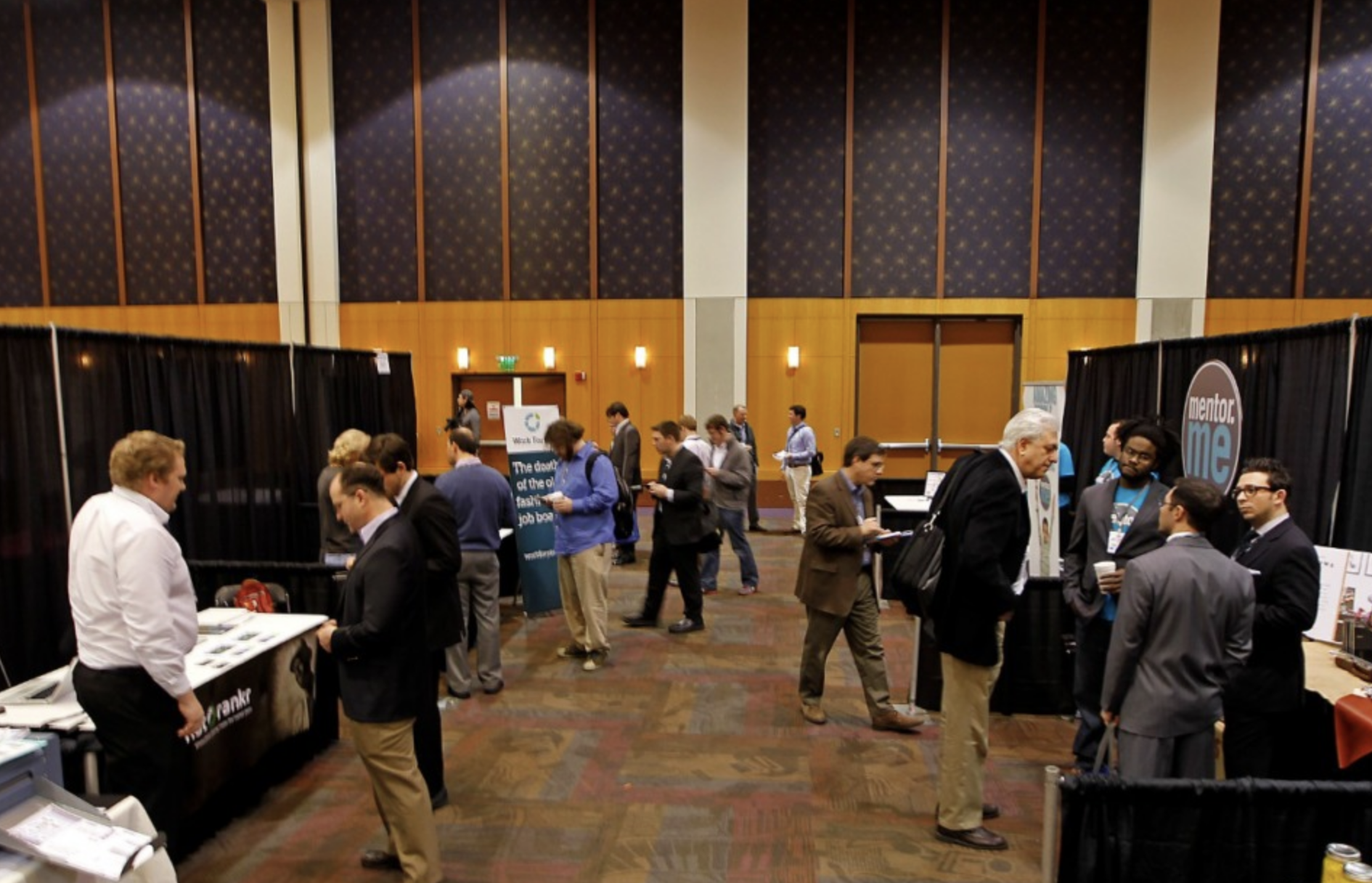
Business meetings and conventions are another story. And their absence can have a big impact on the economy, nationally and locally.
According to the United States Travel Association, business travel accounted for $290.2 billion in 2019, supporting 2.2 million jobs.
Kevin Kane, president and chief executive officer of Memphis Tourism, said business travelers account for about 38% of the spending on hotel rooms in Shelby County.Prior to the pandemic, Kane said that translated into about $20 million in annual revenue. And that’s only taking into account hotel room rentals, not food, entertainment, or other spending generated by those travelers.
There are several possible explanations for why business travel hasn’t recovered to the extent leisure travel has.One has to do with liability issues. While the risk of employees contracting COVID-19 is decreasing, it hasn’t gone away completely.
Where working remotely is possible, many businesses haven’t yet asked employees to return to their offices. They will at some point, but executives in those companies are being cautious in their decision-making about return dates.
Some offices may require safety modifications to minimize the chances of employees contracting and spreading the virus.
Also, large meetings and conventions couldn’t be held while COVID-19 restrictions were in place. And planning those types of large-scale gatherings requires a bit more lead time than a family trip to Destin, Florida.
Craig Smith, vice president of development at The Peabody hotel, expects more workers to resume their normal office routines around August or September. At that point, Smith expects business travel to get back on track as well.
“We think things are really going to come back quickly,” Smith said. “People want to get back to the office. They want the interaction.”
Others are not so sure.
Like the man in The New Yorker cartoon, many people discovered they could get their work done without face-to-face interactions during the pandemic.
In light of that, bean counters at some companies may ask themselves how much business travel is really necessary. Which has led some people in hospitality-related fields to wonder what percentage of pre-pandemic travel will resume.
“That’s a real good question,” said Chuck Pinkowski, a local hotel industry consultant. “I don’t know that the total room-night demand for commercial business will come back to the extent it was in 2019.”
Scott Brockman, president and chief executive officer of the Memphis-Shelby County Airport Authority, is taking a conservative approach toward managing the airport’s expenses because of that uncertainty.
Brockman said the authority’s current budget is based on the assumption that air travel will reach only 60% of its pre-pandemic level.
“I think the last 15 months have taught businesses that they can conduct more business virtually,” Brockman said. “I believe the return will be something less than pre-2019 numbers.”
There’s another issue complicating the return of business travel.
Before the pandemic, some businesses, particularly those that did a lot of traveling, were able to negotiate favorable corporate rates.
Pinkowski, owner of Pinkowski & Co., said it may be harder for them to find those types of deals on hotel accommodations now.
“Zoom and other forms of technology showed people another way to do business.”
Kevin Kane
Memphis Tourism
Hotels were hit hard financially during the shutdown, so they may not be able to afford the types of discounts they could offer before the pandemic.
Hotels, like many other types of businesses, are also having a hard time finding enough employees to fill their staffing needs right now. As a result of the staffing shortages, many hotels aren’t operating at full capacity.
Fewer rooms for rent mean less revenue, which translates into higher rates for the rooms that are available.
Pinkowski said hotels have adopted some cost-cutting measures to help them survive the tough times, such as doing away with lavish free breakfasts, that may become permanent.
Industry forecasters have projected hotel room revenues might not reach 2019 levels until 2024.
Kane, of Memphis Tourism, said it’s hard to rely on projections right now. He pointed out that leisure travel rebounded more quickly than many industry observers were expecting.
Because Memphis is such a strong market for tourists, Kane said Memphis is running ahead of the national average on hotel occupancy rates.
In April, Kane said hotel occupancy rates in Shelby County were only 7% below where they were during the same month in 2019.
While the pandemic may have changed the way businesses operate, Kane doesn’t see the need for travel going away. While cutting travel budgets might sound tempting, he said that idea will lose a lot of its appeal the first time a business loses a sale because Zoom was used as a substitute for in-person interaction.
“Zoom and other forms of technology showed people another way to do business,” Kane said. “(But) I don’t think you can use Zoom to completely supplant face-to-face meetings. … I do think we’ll see a balance with face-to-face meetings and conventions. How much Zoom will impact businesses remains to be seen.”